
Expanded from field notes originally shared by Cloud1 founder Aditya Putra on LinkedIn. View the original post
The experiment started with a simple question
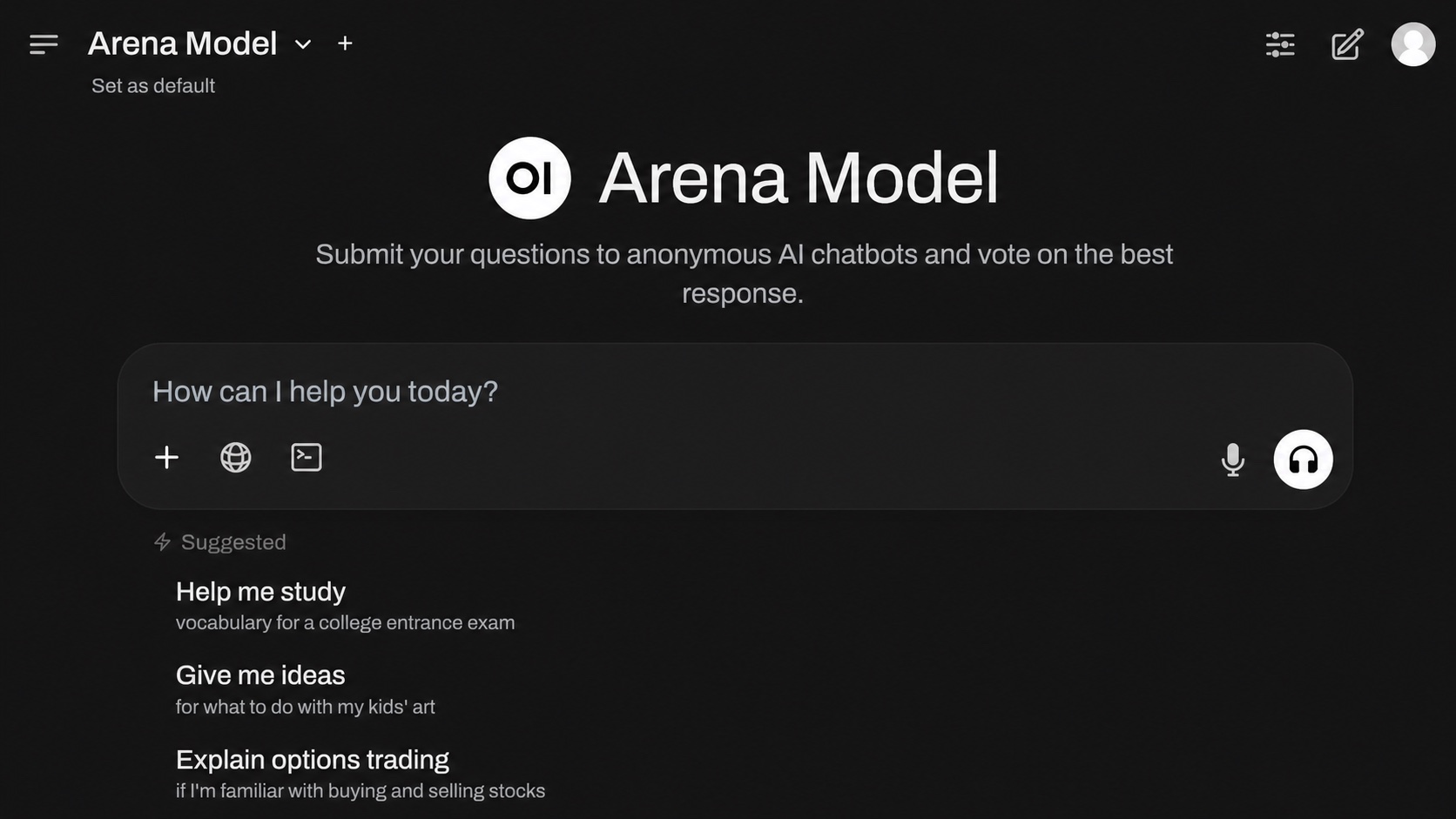
Could a small team run a useful ChatGPT-style assistant with more control over models, privacy, and cost? We tested that question by deploying Open WebUI on a modest cloud instance and connecting it to several model backends.
The goal was not to recreate every feature of a commercial AI product. It was to understand the operating reality: where latency comes from, how quickly free tiers become constraints, what privacy controls are actually available, and how much maintenance a flexible setup creates.
Local models make infrastructure visible
Running a model locally sounds attractive because the data path is easier to control. The tradeoff is that inference makes compute limits painfully obvious. CPU-only responses can be too slow for an interactive product, while useful GPU capacity changes the cost model quickly.
This is the first production lesson: model quality is only one part of the system. Hardware, queueing, concurrency, context size, and user expectations decide whether the experience feels usable.
Hosted models simplify one layer and complicate another
Connecting Open WebUI to hosted model providers improved response quality and removed the need to operate inference hardware. It also introduced rate limits, provider-specific behavior, usage controls, and a new privacy review.
A model gateway can make it easier to compare providers, but it should not hide ownership. Teams still need to know which provider handles a request, what data is retained, what the fallback does, and how spending is capped.
Privacy is an architecture decision
A self-hosted interface does not automatically make the whole system private. Prompts may still leave your environment when an external model is used. Logs, conversation storage, user access, document ingestion, and backup policies all need explicit decisions.
For internal AI systems, we recommend classifying the data first, then choosing models and hosting patterns. The architecture should follow the sensitivity of the workflow, not the other way around.
Build when control creates real value
A custom AI workspace can be worthwhile when it needs company-specific tools, controlled retrieval, model routing, auditability, or integration with an existing product. It is less compelling when the only requirement is general chat and the team has no appetite for operations.
The useful output of a prototype is not merely a demo. It is a build-or-buy decision grounded in latency, quality, privacy, cost, and maintenance evidence.